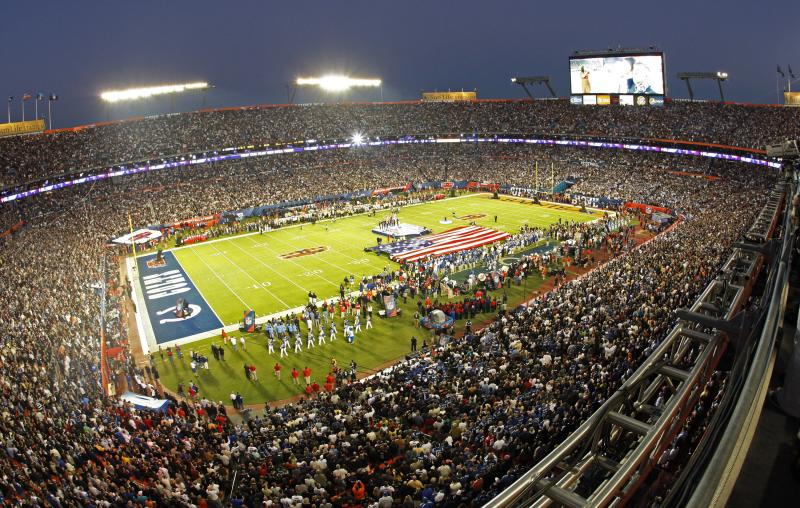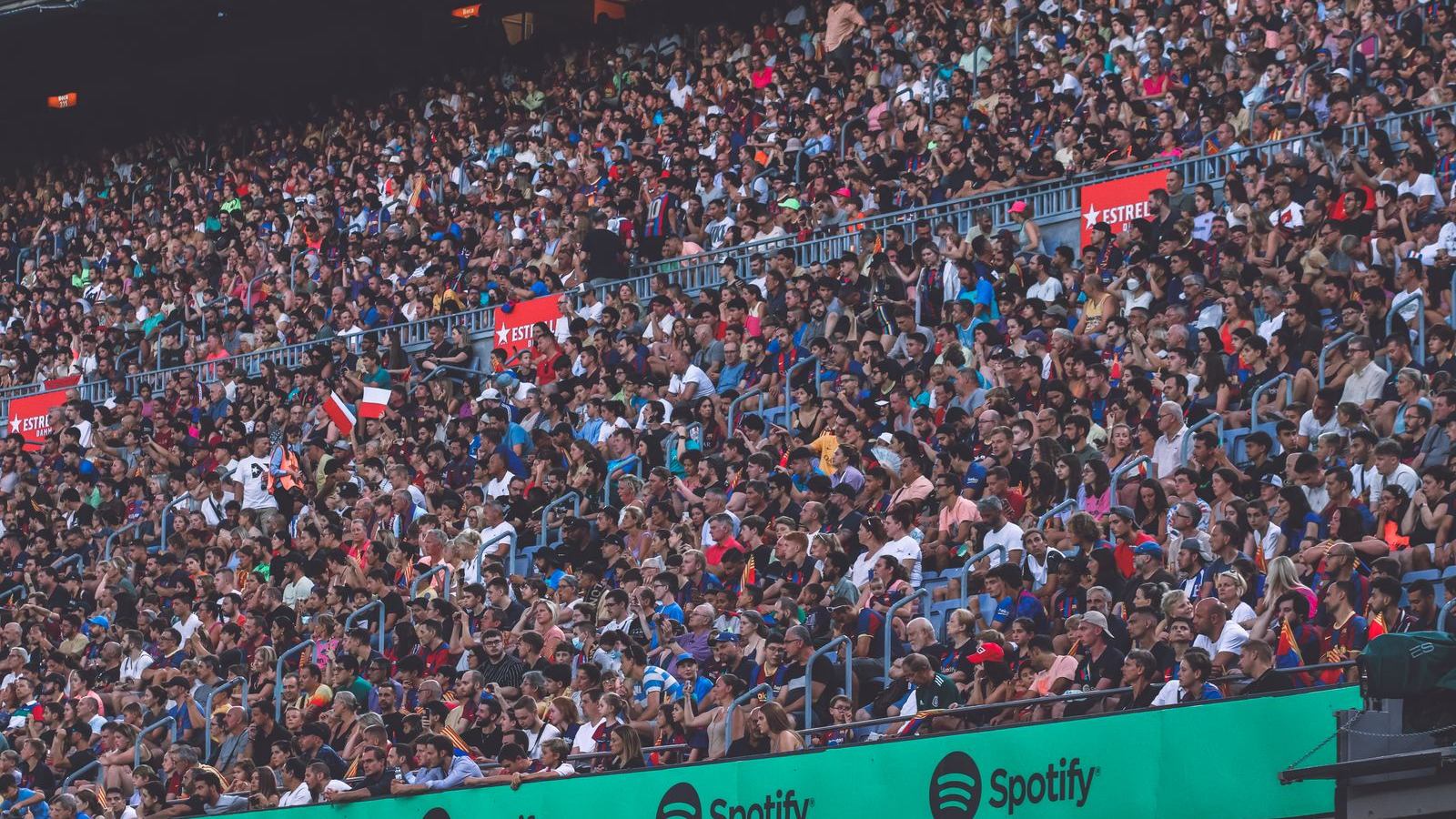
Watching a game on television is convenient, but it cannot match being there. The roar of the crowd, the speed of the play, the shared groans and cheers: live sport is an experience in itself. If you have never been to a game, or you are taking someone who has not, this guide will help you make the most of the day.
Choosing your first game
You do not need to be a devoted fan to enjoy a live match. A good first game is one that is easy to follow and easy to get to.
- Start local. A smaller local team often means cheaper tickets, easier travel and a friendly atmosphere.
- Pick a sport you understand a little. You do not need to know every rule, but knowing the basics makes it more fun.
- Look for a good time slot. Weekend afternoons are often more relaxed, especially for families. Evening games have more atmosphere.
- Consider the opponent. Rivalries produce excitement, though they can also mean bigger crowds.
To see what is on, search events near you, add a keyword such as basketball, hockey or soccer, and adjust the radius to include nearby cities. If you would like some ideas, take a look at our Sport Events Near Me article as well.
Picking your seats
Where you sit changes the experience.
- Close to the action. Lower-level seats give you the speed, the sound and the sense of being part of it. They usually cost more.
- Mid-level. These are often the best balance of view and price. You can see the whole game unfold.
- Upper level. The cheapest seats offer a good overview of tactics and formations, and still give you the crowd atmosphere.
- Aisle seats. Handy if you plan to move around during the game.
If you are attending with a group, check that you can sit together before you buy.
Learning the basics before you go
You do not need to study the rulebook, but a little preparation helps.
- Watch a short explainer video of the sport's basic rules.
- Learn the names of a few key players.
- Look up the team's colours and any traditions, such as songs or chants.
- Ask a friend who follows the team to explain what to look out for.
If you are lost during the game, do not worry. The people around you are usually happy to explain, and fans love to share their passion.
Game-day planning
The day is more than the match itself, so it pays to plan.
- Travel: Check the route in advance. Parking near stadiums can fill up and be expensive, and roads can be busy before and after the game. Public transport or a shared ride is often easier.
- Arrival: Aim to get there at least an hour early. You will have time to find your seat, take photos and soak up the atmosphere.
- Food: Eat beforehand if you can. Food inside stadiums is convenient but often pricey, and queues can be long at half time.
- Bag policies: Many stadiums limit the size of bags or ban certain items. Check the venue website before you go.
What to wear
Dress for the weather and for comfort.
- Layers work best, especially for outdoor stadiums where temperatures can shift.
- Team colours are a fun way to join in, but you do not have to wear them.
- Comfortable shoes matter, because you will do a lot of walking.
- Sun protection or rain gear may be needed at open-air venues.
Stadium etiquette
Good manners make the day more enjoyable for everyone.
- Stand when others stand. If the crowd rises for an exciting moment, go with it, but sit back down so you do not block the view for long.
- Respect the other fans, even if they support the opposing team. A little friendly banter is fine, but keep it good-natured.
- Keep the area tidy. Use the bins and take your belongings with you.
- Limit phone use to a reasonable level, so you do not block anyone.
Enjoying the atmosphere
The best moments at a live game are rarely on the field alone. Join in the songs if you know them, clap along, and take in the small details: the warm-up, the mascots, the noise when the home team scores. If you feel like a bystander, remember that everyone was a first-timer once.
Making it a family outing
Games can be a wonderful family day out. Choose an early start and a shorter format if children are coming, bring snacks if allowed, and consider ear protection for younger children if the crowd is loud. Knowing where the family restrooms are helps as well.
After the final whistle
Do not rush out. Waiting ten or fifteen minutes lets the crowds thin, and you can use the time to talk about the game, share photos and plan the next one. If you are driving, this can save you a long wait in traffic.
Understanding the pace of a live game
One thing that surprises newcomers is how different the rhythm of a live game feels compared with television. On screen, replays and commentary fill the gaps. In the stadium, there are natural pauses, and the atmosphere moves in waves.
Use those quieter moments to your advantage. Look around and take in the crowd. Watch how the players warm up, how the coaches move on the sideline, and how the fans react to small details. Many people say these moments are their favourite part of being there.
It also helps to follow the action without relying on the screens. Watching the whole field or court lets you see plays develop before they happen, and you will notice things that television never shows: the positioning, the movement off the ball, and the way the crowd senses a big moment. Do not worry about keeping perfect track of the score. Simply enjoy being part of the crowd, and let the experience wash over you. By the final whistle you will probably understand far more than you expected.
Your next step
The best way to learn a sport is to see it live. Find a game near you, pick a date, and follow the steps above. For more help planning the rest of the day, our night out checklist covers travel, timing and staying safe, and our guide to choosing between concerts, sports, comedy and theater is useful if you are still deciding what to see.