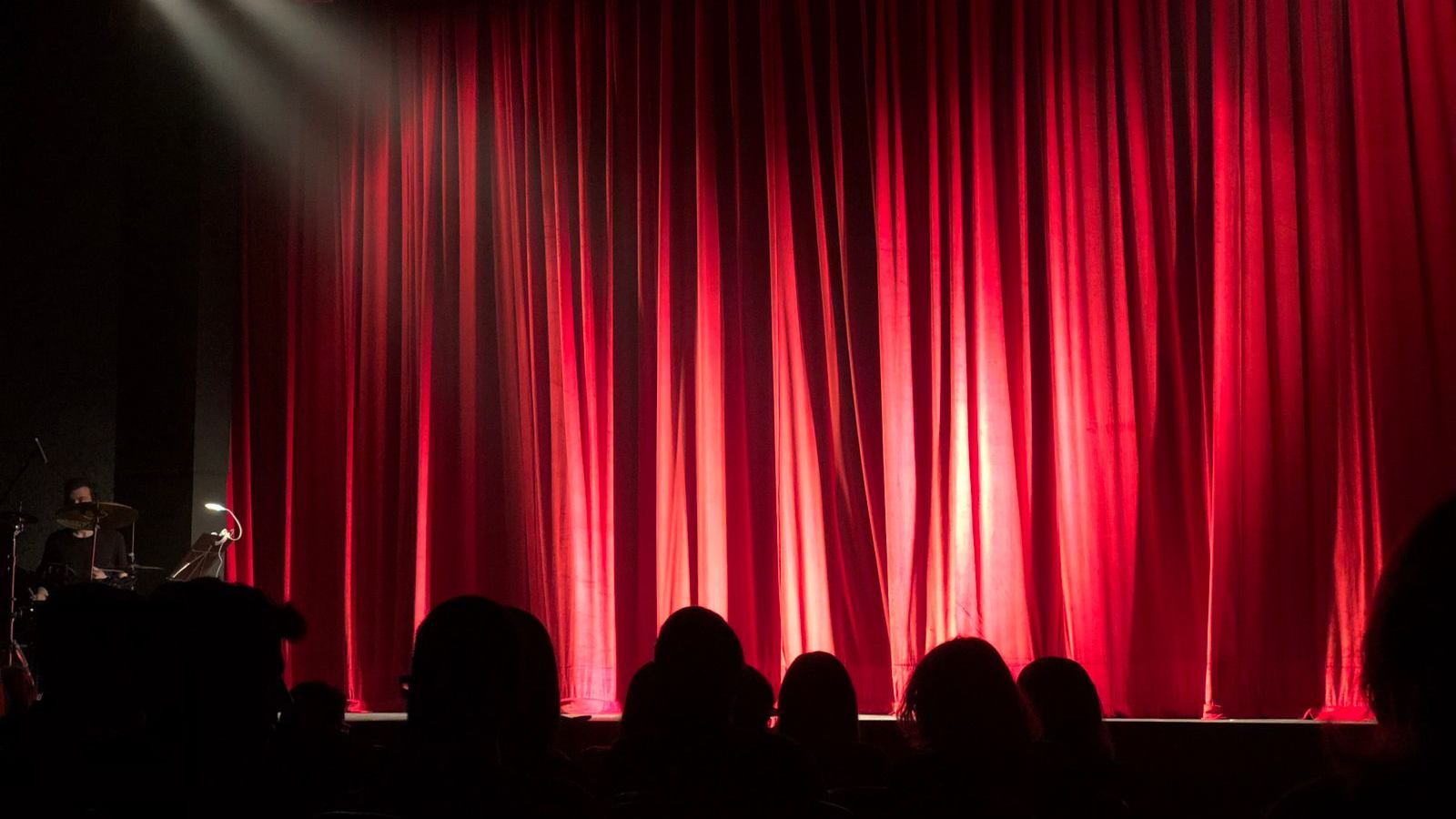
Theater has a reputation for being formal or complicated, but the truth is that it is one of the most welcoming and rewarding kinds of live entertainment. A live performance in a room with other people offers something no screen can match: the sense that anything might happen, and that you are part of it.
If you have never been, this guide will help you choose a first show and feel comfortable from the moment you walk in.
Types of shows
Knowing the difference between a few basic types can help you choose.
- Musicals: stories told with songs and dance. Often lively, visually rich and a good choice for a first visit.
- Plays: spoken drama or comedy. These range from light and funny to intense and thought-provoking.
- Dance and ballet: storytelling through movement, often with live or recorded music.
- Opera: stories told through singing, usually with an orchestra.
- Comedy and variety shows: sketches, cabaret and mixed programmes that keep the pace up.
- Family and children's theater: shorter, colourful shows aimed at younger audiences.
If you are unsure, a musical or a comedy is usually the easiest way in. The energy and music make it easy to follow.
Choosing your first show
A few questions help narrow the field.
- What do you enjoy elsewhere? If you love films with a big story, try a drama. If you love music, try a musical.
- How long is it? Check the running time. Some shows run for two to three hours with an intermission, and others are much shorter.
- Is it suitable for who you are bringing? Look for age guidance and content notes.
- Where is the venue? Choose one that is easy to get to, so the evening starts calmly.
You can search for shows on Events Near Me. Enter your city, try keywords like theater, musical or play, and adjust the radius to include nearby cities.
Reading the event page
The event page usually tells you the essentials: the date and time, the venue, the price range and how to buy tickets. Look for the running time, any age guidance, and whether there is an interval, since that helps you plan dinner before or after.
Choosing seats
Seat prices at theaters vary quite a lot.
- Front and centre seats offer the best view but cost the most.
- The middle of the auditorium is often the best balance of view and value.
- Upper levels are cheaper and still give a good overall picture, especially for dance and large productions.
- Side seats can sometimes have a restricted view, so check the seating plan or the description before you buy.
Aisle seats are convenient if you are tall or think you might need to leave for a moment.
What to wear
There is no strict dress code at most theaters. Many people dress up a little for the occasion, and others come straight from work. The best rule is to wear something comfortable that makes you feel good. A smart-casual outfit fits almost everywhere. Consider a layer in case the auditorium is cool.
Arriving and settling in
- Arrive early. Aim to be there thirty minutes before the start, which gives you time to find your seat, pick up a programme and use the restrooms.
- Check your seat number. Staff are happy to point you in the right direction.
- Turn off your phone. Silence it fully, and remember that even a light from a screen is distracting in a dark room.
Theater etiquette
A few simple habits make the show better for everyone.
- Do not talk during the performance, even whispering.
- Avoid rustling. Unwrap sweets before the show starts.
- Do not record or take photos during the show unless it is specifically allowed.
- Applaud at the right moments. Clap at the end of a song or scene if others do, and at the curtain call. If you are not sure, follow the crowd.
- Stay for the curtain call. It is the audience's chance to thank the performers.
What to do at the interval
If there is an interval, it is a good time to stretch, visit the restroom and get a drink. Some theaters allow you to pre-order interval drinks, which saves queuing. It is also a chance to talk about what you have seen so far.
Making sense of the story
If the plot is unfamiliar, do not worry. Read a short summary beforehand or look at the programme, which often has a synopsis. Many first-timers find that a little background helps them relax and enjoy the show rather than trying to follow every detail.
Making an evening of it
Theater works well as part of a bigger evening. Book a table at a nearby restaurant, leave enough time to arrive without rushing, and think about a drink or a walk afterwards. Use the map on our results page to see what is close to the venue and plan a compact evening.
Making the most of the experience
- Give it your full attention. The joy of theater comes from being in the room.
- Talk about it afterwards. What worked, what surprised you, which performance you loved.
- Try something different next time. Once you know what you like, sample another style.
A short glossary for newcomers
A few common terms may appear on the event page or in the programme.
- Matinee: an afternoon performance, often cheaper and shorter.
- Interval or intermission: the break between acts.
- Stalls or orchestra: seats on the ground floor, closest to the stage.
- Circle, balcony or gallery: seats on the upper levels.
- Curtain call: the moment at the end when the performers come forward to take a bow.
- Understudy: a performer who steps in if the usual actor cannot appear.
Knowing these words makes browsing seat plans and event pages far less intimidating. If a term is unfamiliar, the venue's website or box office can usually explain it in a moment.
Your first night
Theater is easier to enjoy than most people expect. Choose a show that appeals to you, arrive early and let yourself be swept along. Search for theater near you and pick a date. For help with the rest of the evening, our night out checklist is a good place to start, and our date night ideas show how a show can anchor a memorable evening.