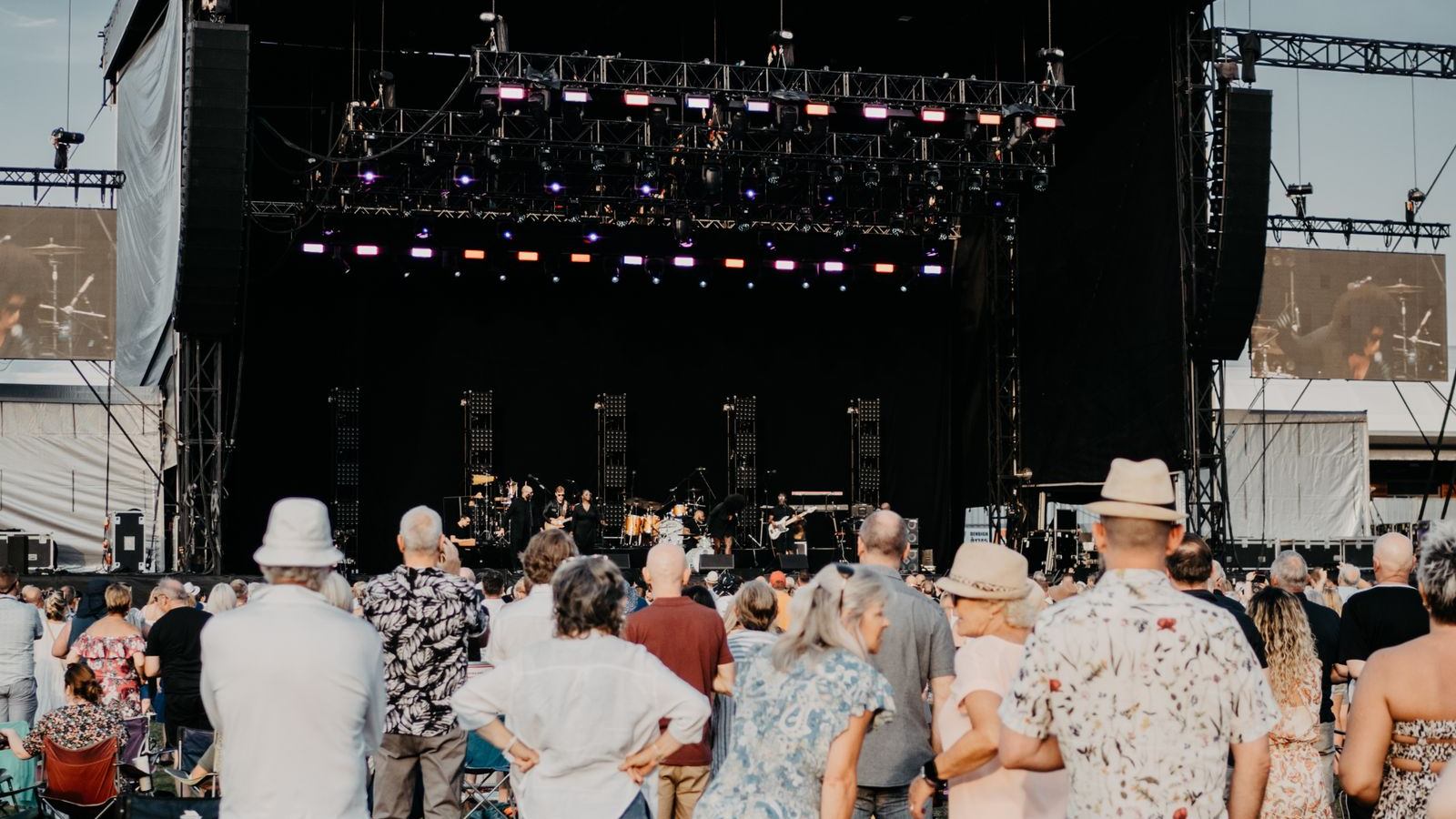
Your first concert is a milestone. The lights, the sound, the feeling of a crowd singing the same words at the same moment: it is hard to describe until you have experienced it. It can also feel a little intimidating if you do not know what to expect.
This guide walks you through the whole process, from choosing a show to heading home afterwards, so your first concert is memorable for the right reasons.
Choosing your first show
The best first concert is one you are genuinely excited about, but a few practical points can make it easier.
- Start with an artist you love. Knowing the songs makes the night far more fun.
- Consider the venue size. Small venues feel intimate and are easy to navigate. Large arenas offer spectacle but involve more walking, longer queues and bigger crowds.
- Look at the day and time. A weekday show may be quieter, and an early start makes for an easier journey home.
- Take a friend. Going with someone experienced, or someone equally new, makes the first time less daunting.
You can search for concerts near you on Events Near Me. Enter your city, add a keyword such as the artist's name or a genre, and compare the results on the map to see what is close to you.
Understanding the event page
Before you buy, check the essentials.
- Doors time and start time. Doors are when the venue opens. The main act often starts much later, and there may be one or more support acts before them.
- Age guidance. Some shows have age limits, and some venues are stricter than others.
- Seating or standing. Seated shows have assigned seats. Standing shows, sometimes called general admission, let you choose your own spot.
- Price range. Look at the total cost, including any fees added at checkout.
Buying your tickets
Always buy from the official seller linked on the event page. Avoid unofficial offers from strangers, especially those with prices that seem too good to be true. Our ticket buying tips explain how to spot the warning signs.
Decide before you buy whether you want to sit or stand. Seats are more comfortable and give you a guaranteed spot. Standing puts you closer to the atmosphere, but it can be tiring, and you may need to arrive early to get a good position.
What to wear
Comfort is the priority.
- Shoes: Wear something comfortable and closed-toe, especially for standing shows. Your feet will thank you.
- Layers: Venues can be hot inside and cold outside. A light jacket you can tie around your waist or check in works well.
- Pockets: Choose clothes with secure pockets so your phone, card and keys are safe.
What to bring, and what to leave at home
Most venues have rules about bags and prohibited items, so check the venue's website in advance. In general:
- Bring: your ticket, ID if required, a payment card, a charged phone, and possibly a small portable charger.
- Consider: earplugs. Live music can be very loud, and good earplugs protect your hearing while keeping the music enjoyable.
- Leave at home: large bags, anything valuable you do not need, and anything the venue lists as prohibited.
Getting there
Plan your journey before the day. If you are driving, check parking options and how long it might take to leave afterwards. If you are taking public transport, check the last train or bus. Arrive before doors open if you are standing, or shortly after if you are seated, to avoid the longest queues.
Once you are inside
- Find your spot or seat first, then take a look around.
- Locate the restrooms and exits, so you are not searching for them later.
- Enjoy the support act. Some of the best discoveries at concerts are the bands you did not come to see.
- Stay hydrated, and pace yourself. It is a long evening.
- Be considerate. Give people space, avoid pushing, and keep your phone use to a reasonable level so you do not block someone's view.
Taking photos and videos
It is natural to want to capture the moment. Take a few photos or a short clip of your favourite song, then put the phone away. You will remember the night better, and so will the people around you.
Getting home
Everyone leaves at the same time, so have a plan. Agree on a meeting point if you get separated, and consider walking a little away from the venue before ordering a ride. Make sure everyone in your group has a way to get home and that phones are charged.
After the show
The best part of a concert is often the conversation on the way home. Talk about your favourite moments, share photos, and start thinking about the next one. Many people find that one show is all it takes to become a regular.
Common first-timer questions
Here are quick answers to questions that first-time concert-goers often ask.
Do I need to know all the songs? Not at all. Knowing a few favourites is enough, and hearing the rest live is a great way to discover more of an artist's work.
Will I be able to see? In standing areas, arrive early for a better view, or stand slightly to the side where it is less crowded. In seated venues, check the seating plan when you buy.
Is it safe to go alone? Many people enjoy concerts on their own, and the crowd is usually friendly. Tell someone where you are, keep your phone charged, and plan how you will get home.
What if I get overwhelmed? It is fine to step back. Most venues have quieter areas near the back or the edges, and a short break for water and fresh air can help.
How early should I arrive? For seated shows, aim for about thirty to forty-five minutes before the start. For standing shows where position matters, arrive earlier.
Remember that everybody in the room started as a first-timer. Relax, enjoy the music, and let the night take care of itself.
Ready for your first show?
The hardest part is choosing. Search events near you, pick something that excites you, and follow the steps above. If you want to build a whole evening around it, read our guide to planning a great night out, and if you are still deciding between event types, our article on choosing your next live event can help.