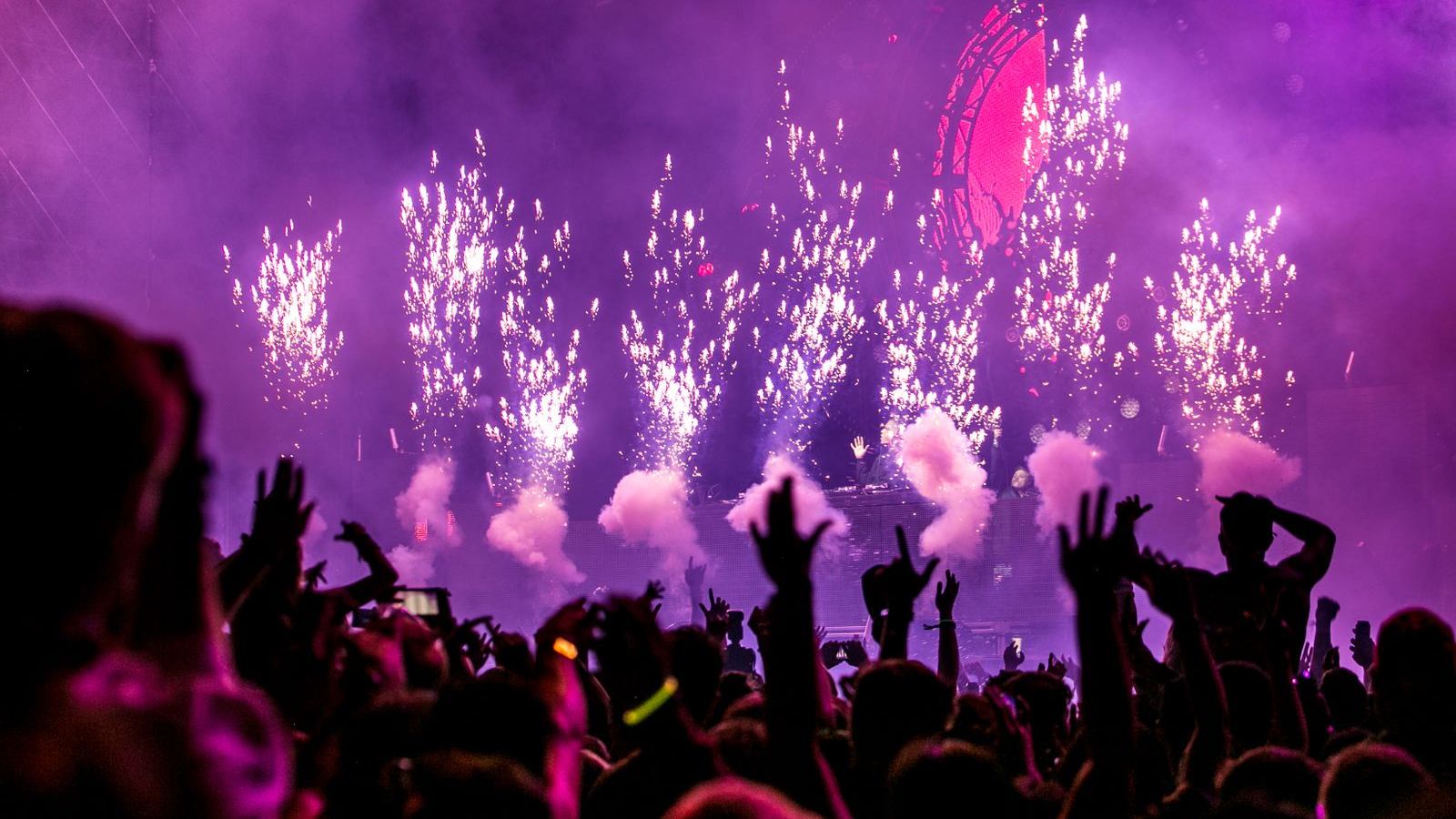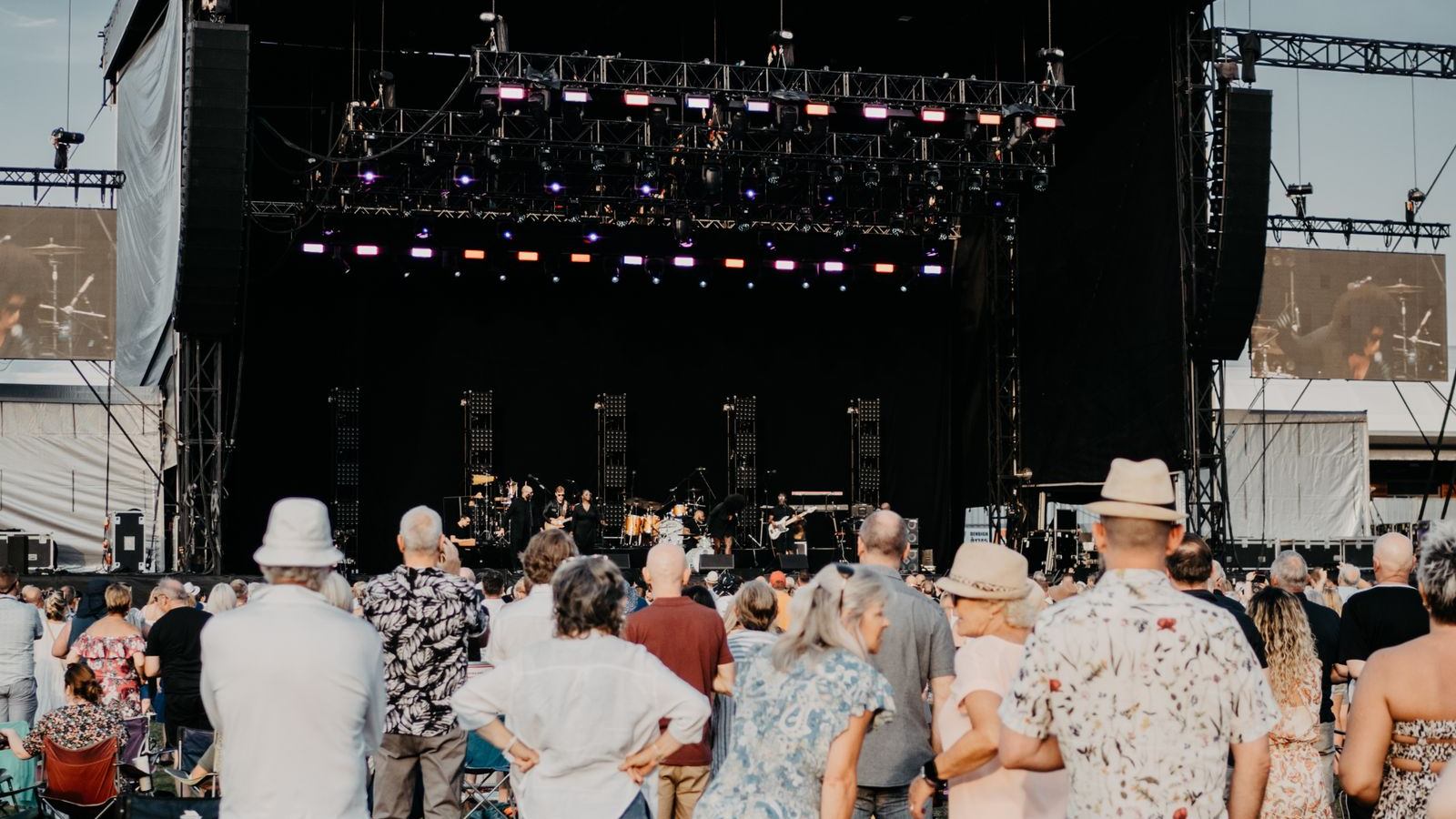
A music festival packs an enormous amount into a single day or weekend: multiple stages, dozens of acts, food, friends, and a crowd that shares your enthusiasm. It is also long, busy and sometimes tiring. A little preparation turns a chaotic day into a great one.
This guide covers everything from choosing a festival to getting home safely, so you can spend your energy on the music.
Choosing the right festival
Festivals come in every size and style, so start by asking what kind of experience you want.
- Size: Large festivals offer big names and huge crowds. Smaller local festivals are calmer, cheaper and easier to navigate.
- Genre: Choose a line-up with several acts you genuinely want to see, not just one headliner.
- Duration: A single day is a good place to start. Multi-day festivals require more planning, stamina and often camping or accommodation.
- Location: A festival near home means less travel stress. Check how easy it is to reach by public transport.
You can search for festivals and outdoor music events on Events Near Me. Try a keyword such as festival, and widen the radius, since festivals are often held a little outside major cities.
Understanding the ticket
Read the ticket details carefully before you buy. Look for:
- What is included. Some tickets cover a single day, others the whole weekend.
- Entry rules. Age limits, ID requirements and re-entry policies vary.
- Extras. Camping, parking, shuttle buses and upgraded areas are often sold separately.
- The total price, including any fees added at checkout.
Always buy from the official seller linked on the event page. Our ticket buying tips explain how to avoid problems.
Plan your day before you arrive
With several stages running at once, you cannot see everything. A simple plan saves you from wandering aimlessly.
- Star your must-see acts and check for overlaps.
- Allow time to move between stages. Crowds slow you down, so add ten to fifteen minutes.
- Be flexible. Some of the best moments come from stumbling across an act you did not plan to see.
- Agree a meeting point with your group. Phone signal can be poor in crowded areas, and batteries drain fast.
What to pack
Festivals often have strict rules about what you can bring, so check the official list first. In general, a good day bag includes:
- your ticket, ID and a payment card or cash;
- a fully charged phone and a portable charger;
- sunscreen and a hat for daytime, or a light waterproof jacket in case of rain;
- earplugs, which protect your hearing and make long days more comfortable;
- a refillable water bottle if allowed, since many festivals provide free water points;
- tissues, hand sanitiser and any medication you need.
Keep your bag small and secure. Bulky bags are tiring to carry and are often restricted.
What to wear
Comfort matters more than style.
- Shoes: Broken-in, supportive shoes are essential. You may walk many kilometres and stand for hours.
- Layers: Weather can swing from hot afternoons to cool evenings. A light layer you can tie around your waist works well.
- Weather gear: Check the forecast. Sun protection or a rain poncho can make or break the day.
- Pockets: Choose clothing with zip pockets or a small cross-body bag to keep valuables safe.
Staying healthy and comfortable
Long days outdoors are demanding, so look after yourself.
- Drink water regularly, especially in warm weather.
- Eat properly. Festival food is part of the fun, but do not rely on snacks alone.
- Take breaks. Find a quiet spot to sit for a while, particularly between big acts.
- Protect your hearing. Stay away from the largest speakers, and use earplugs in loud areas.
- Know where first aid is. Locate the medical tent when you arrive.
Staying safe
Most festivals are friendly and well organised, but a few sensible habits help.
- Keep valuables close. Use a zipped bag or a front pocket.
- Stay with your group, or agree to check in at set times.
- Charge your phone, and save the organisers' contact details.
- Trust your instincts. If a situation feels uncomfortable, move away and speak to staff.
- Plan your journey home before the event, so you are not making decisions when you are tired.
Getting there and getting home
Festival traffic is often heavy. Public transport, shuttle buses or a shared ride can save time and parking costs. If you are driving, arrive early to avoid queues, and be prepared for a wait when leaving. Consider staying for the last set and then giving the crowds a little time to thin out before heading for the exit.
Making the most of it
- Arrive early to explore, eat and settle in before the crowds build.
- Try a new act. Smaller stages and earlier slots are where you often find new favourites.
- Talk to the people around you. Festivals are unusually friendly places.
- Put your phone away for at least part of the day. The memories will be better.
Festivals with friends or family
Festivals are great with friends, and many welcome families during the day. If children are coming, check the age rules, bring ear protection, choose a quieter spot, and plan for regular rests. Our guide to family-friendly live events has more tips.
After the festival
Recovery matters. Drink water, eat a good meal and give yourself time to rest. Then share your photos and make notes of the acts you loved, so you can catch them again on tour.
A simple festival checklist
Before you leave home, run through this quick list.
- Tickets and ID are on your phone or in your bag.
- Your phone and portable charger are fully charged.
- You have earplugs, sunscreen or rain protection, and a water bottle.
- Your group knows the meeting point and the plan for getting home.
- You have eaten something substantial.
Having these basics covered removes most of the common problems and leaves you free to enjoy the music. If something does go wrong, remember that festival staff and volunteers are there to help, so do not hesitate to ask. A calm, well-prepared start makes the whole day feel easier.
Find your next festival
Search events near you to see what is on this season. For planning the rest of your trip, read our night out checklist, and if you are new to live music, our beginner's guide to your first concert explains the basics.